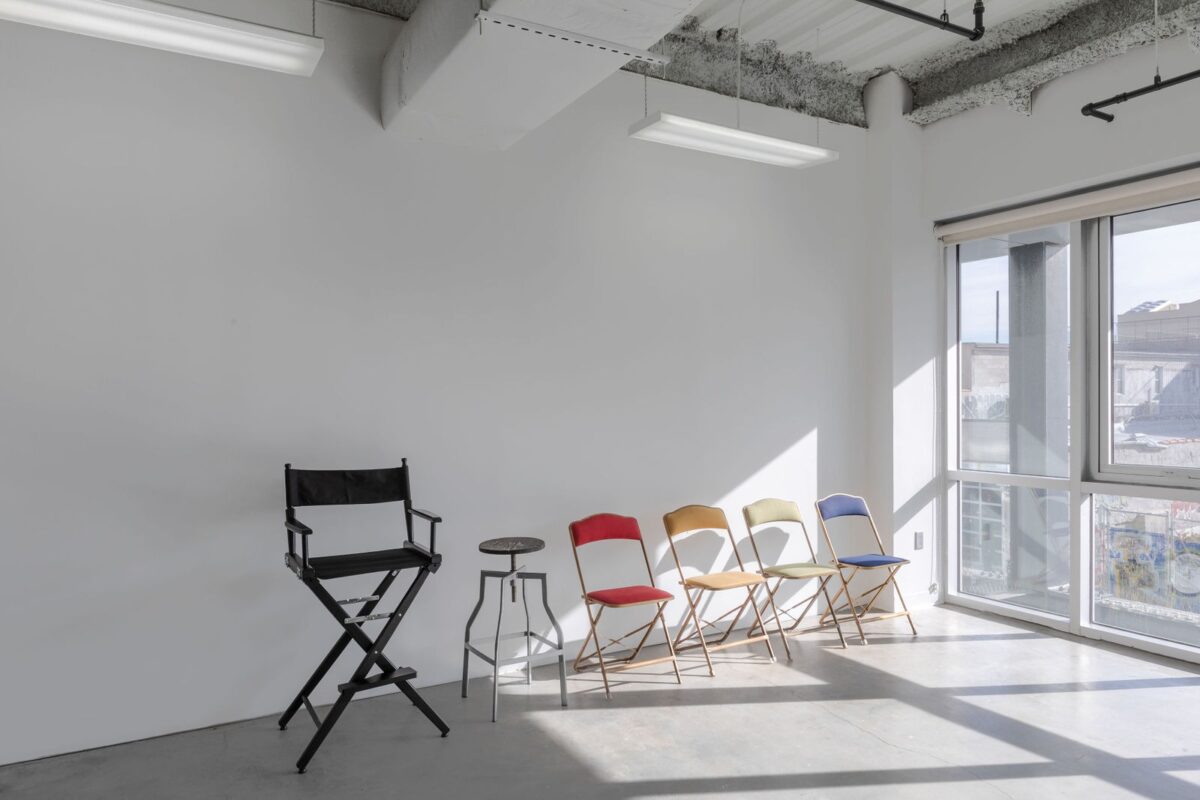
Why Renting a Video Production Studio Is the Smartest Move for Your Next Project

You might be tempted to skip renting a video production studio and attempt to shoot your project on your own, especially if you already have a camera or a small setup. But the hidden challenges quickly become apparent. Without a studio, managing post-production facilities or technical aspects yourself often leads to multiple reshoots, extra editing, and a final product that may feel amateurish.

These issues affect the visual and auditory quality of your video and also risk undermining your brand’s credibility and professionalism. Repeated takes, subpar results, and wasted resources can quickly outweigh any savings from skipping a professional studio, highlighting the importance of renting one for your project.

In this blog, we will explore how professional video production studios can help you achieve the desired results for your brand, ad shoots, or creative campaigns.

Advantages of Renting a Video Production Studio

Acoustic and Soundproofing Quality

Audio quality is often the most overlooked aspect of video production, yet poor sound can instantly undermine professional-looking visuals. Even if you own high-end microphones, recording outside a studio exposes you to a host of problems: echoes bouncing off walls, background street noise, traffic, HVAC hums, or even subtle ambient sounds that disrupt dialogue clarity. Professional video studios are carefully designed with acoustic panels, bass traps, and soundproofing materials, creating a controlled environment where every sound is clear, balanced, and free from interference.

Video production studios also often include isolation booths or vocal booths that allow multiple recordings simultaneously without cross-interference, ideal for ensemble casts or multi-talent productions.

Professional Lighting Control

Professional studios equipped with Photo Studio Equipment offer high-end lighting rigs, adjustable key and fill lights, backlighting, softboxes, and ambient control, enabling precise illumination of products, talent, and sets. Proper lighting ensures that brand colors remain consistent, logos and packaging details are highlighted accurately, and product textures are captured in their truest form.

Beyond basic illumination, lighting techniques, enabled by professional photo studio equipment, allow brands to craft compelling visual narratives and enhance viewer engagement. Additionally, precise lighting reduces post-production workload. Properly lit footage minimizes the need for heavy color correction, shadow recovery, or artificial enhancement, accelerating campaign delivery.

Versatile Backdrops and Sets

Corporate brands frequently demand several creative environments for various campaign aspects, such as interviews, product presentations, and lifestyle photos. Studios include green screens, colorful backdrops, and modular sets that can be easily altered. This enables businesses to record multiple sequences in succession without changing locations, saving time and lowering logistical expenses.

Access to props and set design elements enables brands to effectively display their products, services, and corporate narratives, ensuring that the finished material communicates the intended message, engages the audience, and is consistent with the company’s visual identity.

Reliable Internet and Streaming Setup

Live streaming is increasingly integral for brands, as product launches, press conferences, webinars, and virtual corporate events require stable, high-speed internet and professional streaming infrastructure. Video production studios provide wired high-speed connections, multi-camera switchers, OBS integration, and professional audio feeds, ensuring flawless, broadcast-quality streaming. Attempting such setups risks technical failures, lag, and connectivity issues that could harm brand reputation.

Professional Production Support and Crew

Even if a brand has internal marketing teams, professional video and photo studio rental provides technical support and expertise, including services from lighting specialists, camera operators, and production coordinators.

These professionals handle complex equipment, lighting setups, multi-camera configurations, and on-the-fly troubleshooting. It allows the brand team to focus on creative direction, messaging, and talent coordination. The result is a broadcast-quality video that meets corporate standards, enhances brand image, and maximizes ROI for marketing campaigns or client presentations.

Privacy and Security

Privacy and security are crucial considerations for any professional project, particularly when handling sensitive video content or working with high-profile clients. Unlike public locations, where passersby or onlookers can disrupt filming and affect performance, a professional studio provides a fully controlled environment. With secure access, restricted entry, and monitoring systems, it eliminates the risk of confidential material being exposed. For businesses, this is particularly important for brand campaigns, product launches, or prototype demonstrations that must remain under wraps until official release.

Cost-Effectiveness for Projects

You might also think renting a video production studio might seem like an added expense, but in reality, it’s one of the most cost-efficient decisions you can make for your project. When you consider the cumulative costs of purchasing or renting separate equipment, setting up effective lighting and sound, securing shooting locations, and managing post-production on your own, the budget can escalate quickly. You also avoid hidden expenses like transporting gear, dealing with weather delays, or paying additional fees for location permits.

It’s a smart financial move that transforms fixed costs into flexible, project-based expenses, ideal for shooting product videography content for brands, agencies, and independent creators aiming to maximize both quality and value.

Professional Networking Opportunities

Renting a video production studio space enables networking with skilled professionals, such as videographers, editors, producers, and creative directors who often collaborate on various projects within the same environment. It naturally exposes you to industry professionals who can offer insights and creative input on video content creation at every stage of the production process.

These networking opportunities can help you build relationships in a studio setting, leading to long-term benefits such as referrals, mentorships, and new collaborations.

Bottom Line

When you add it all up, a studio offers comfort, control, and consistency that DIY setups simply can’t match. It’s the easiest way to upgrade your production value without blowing your budget. For a project that reflects real professionalism, renting a studio is the smartest move you can make.

How To Create Consistent Visual Branding Through Beauty Photography

In the beauty industry, consistent visual branding acts as a silent ambassador for your brand, conveying its identity, values, and promise to your audience. The goal is for customers to instantly recognize your brand when they see your photography, even without a logo. Achieving this level of recognition requires a strategic approach, one that establishes a visual language uniquely yours and resonates across every touchpoint, from your website and social media to print campaigns and in-store displays.

Understanding the key elements of visual branding is the first step toward creating this recognizable identity. In this article, we’ll explore the core components of effective beauty photography and provide practical guidance to help you implement a consistent, compelling visual strategy for your brand.

Understanding Visual Branding in Beauty Photography

Visual branding in beauty product photography is about using consistent styling, lighting, color palettes, and composition to clearly express what the brand stands for. It goes beyond simply capturing attractive product shots. Instead, it involves creating a visual language that communicates the product’s purpose, personality, and value. For example, is the brand positioned as luxurious and premium, or playful and approachable? These characteristics should be immediately recognizable in every product image.

A strong visual identity helps beauty products stand out in a crowded and highly competitive market. Consistency in how products are photographed supports brand recognition, strengthens credibility, and reinforces trust. When consumers repeatedly see the same visual tone across packaging shots, flat lays, textures, swatches, and campaign visuals, they develop a clear understanding of the brand’s promise and quality.

Key Elements of Consistent Beauty Photography

Color Palette and Tone

The use of color is one of the most powerful tools in branding. A consistent brand color palette helps create a recognizable visual identity. Your palette should include primary brand colors and complementary secondary tones that are used across all your photography.

  • Color Grading: The post-production process of altering or enhancing the color of an image is crucial. Will your images have a warm, golden-hour glow, or will they be cool and crisp? Will they be vibrant and saturated or soft and desaturated? This choice should reflect your brand’s personality. For example, a brand focused on natural, organic ingredients might use earthy tones and soft, natural light.
  • Backgrounds: The colors and textures of your backgrounds contribute significantly to the overall mood. Whether you use seamless paper backdrops, textured surfaces, or on-location settings, keep them consistent with your chosen palette.

Lighting and Mood

Lighting dictates the mood and emotional tone of a photograph. Your lighting setup should be consistent to ensure all your images feel like they belong to the same family.

  • Hard vs. Soft Light: Hard light creates sharp, defined shadows and a dramatic, high-contrast look, often used by high-fashion or edgy brands. Soft light, on the other hand, creates gentle shadows and a more flattering, ethereal feel, which is popular for skincare and natural makeup brands.
  • Lighting Setups: Decide on specific lighting configurations to use regularly. Documenting these setups helps ensure different photographers can replicate the look. Using a dedicated photography studio for rent with controlled lighting can simplify this process.

Model Selection and Styling

The models you choose are the face of your brand. Their look, expressions, and diversity should align with your target audience and brand values.

  • Casting: Develop clear casting guidelines. Are you looking for models with diverse skin tones, ages, and features? Does your brand champion a specific type of beauty, such as androgynous looks or freckled faces? Consistency in model selection reinforces your brand’s message of inclusivity and identity.
  • Makeup and Hair: Styling should be consistent and reflect the brand’s aesthetic. A minimalist brand might feature models with a “no-makeup” makeup look and natural hair, while a more glamorous brand would opt for bold makeup and elaborate hairstyles.
  • Wardrobe: Even if only a small part of the clothing is visible, it should be carefully chosen. Stick to a neutral color palette for wardrobe pieces to ensure the focus remains on the beauty aspect. Using professional beauty product styling techniques helps enhance product appeal in every shot.

Composition and Angles

Composition refers to the arrangement of elements within the frame. Consistent photography composition creates a sense of predictability and trust.

  • Framing: Decide on your preferred shot types. Will you focus on tight, detailed macro shots of lips and eyes, or will you use wider portraits? Establishing rules such as always shooting models from a slightly low angle or ensuring the product is always in the bottom-right third of the frame creates a cohesive visual flow.
  • Product Placement: When featuring products, their placement and interaction with the model should be consistent. Is the product held delicately, applied artfully, or simply placed next to the model

Tools and Tips for Maintaining Consistency

Create a Brand Style Guide

A comprehensive brand style guide is the single most important tool for maintaining visual consistency. This document should be the bible for your creative team, including photographers, retouchers, and graphic designers. It should detail:

  • Color Palette: Include HEX, CMYK, and RGB codes for your primary and secondary colors.
  • Lighting Diagrams: Provide examples and diagrams of your preferred lighting setups.
  • Model and Styling Guidelines: Outline your casting criteria, as well as makeup, hair, and wardrobe rules.
  • Composition Rules: Show examples of approved framing, angles, and product placement.
  • Post-Production Workflow: Detail the retouching process, including skin texture preferences (e.g., natural vs. airbrushed) and specific photo editing techniques or LUTs.

Use Consistent Equipment

While creativity shouldn’t be limited by gear, using a consistent set of equipment can help achieve a uniform look. Choosing dedicated rent space for photoshoot provides a controlled environment, making it easier to replicate setups and maintain a consistent visual style across all images.

  • Cameras and Lenses: Sticking to a specific camera brand or sensor size can help maintain consistency in color science and image quality. Using the same focal length lenses for similar shots (e.g., a 100mm macro for close-ups) also ensures a cohesive look.
  • Lighting Gear: Using the same type of lights (e.g., strobes or continuous LEDs) and modifiers (e.g., softboxes, beauty dishes) across shoots will help maintain a consistent quality of light.

Standardize Your Post-Production Process

A standardized post-production workflow is essential for consistency, especially when working with different retouchers.

  • Retouching Guidelines: Clearly define the level of retouching. Should skin retain its natural texture? Are blemishes to be removed completely? Providing clear before-and-after examples in your style guide is highly effective.
  • Retouching Guidelines: Clearly define the level of retouching. Should skin retain its natural texture? Are blemishes to be removed completely? Providing clear before-and-after examples in your style guide is highly effective.

To Wrap up

This effort ultimately pays off by helping you build a brand that’s not only visually stunning, but also instantly recognizable and trusted by your audience. Start shaping your brand’s visual blueprint today with Grattan Studios. We specialize in creating polished, cohesive beauty-product visuals through creative direction, photography services, and strategic design.

If you’re ready to bring your vision to life, reach out to us. We would love to hear about your goals and explore how we can support your next steps.

The Significance of AI in Professional Photography & Videography Production Services

Photography and videography are once again entering a new era of evolution through the rapid rise of Artificial Intelligence (AI) in the creative market. What began as a tool for automation has now changed into a creative partner, helping professionals capture, edit, and produce visual stories with greater efficiency and imagination. This technology not only organizes workflow but also develops imagination, enabling artists to focus more on storytelling while the AI handles the technical part. Therefore, to gain a better understanding of exactly how AI is significant to professional photography and videography production, and why it’s shaping the future of creative expression, let’s explore this blog.

AI in Professional Photography Production

Here are some of the most significant ways AI contributes to professional photography:

Intelligent Image Enhancement

AI-driven tools are not just for simple filters; they use deep learning algorithms to analyze lighting, tone, and texture in every frame. These systems automatically balance exposure, correct uneven lighting, and refine details to produce visually consistent results across entire photo sets. For commercial photographers, the use of AI in photography means quick delivery of high-quality, print-ready images without going through constant manual adjustments.

Automated Retouching

The software used in AI can precisely smooth out skin, remove imperfections, and adjust tones while preserving natural texture and depth. Using facial recognition and contextual analysis, AI-powered creativity tools can differentiate between skin, hair, and background, ensuring realistic edits at scale. This automation helps to improve workflow.

Smart Composition and Framing

AI now helps photographers perfect their shots by spotting symmetry, focus, and overall balance. Some modern cameras and AI photo editing software even give real-time framing tips, making it easier to capture well-composed, professional-looking photos on the spot. All of this helps reduce reshoots and ensures that each frame aligns with professional composition standards.

Background and Object Recognition

Through deep learning models, AI can automatically recognize subjects and separate them from backgrounds. This is useful for product, portrait, and fashion photography services, where precision cutouts or background replacements are frequently needed.

Predictive Editing and Curation

Thanks to machine learning, AI tools can now sort through large photo libraries and pick out the best images based on sharpness, emotion, and composition. This smart filtering saves time and helps photographers focus on creativity instead of constant reviewing.

AI in Professional Videography Production

Below, we have some of the most significant ways AI contributes to professional videography:

Automated Video Editing

Instead of spending hours trimming and arranging clips, creators can now rely on intelligent editing systems that identify emotional peaks, motion changes, and scene transitions to complete the stories. These AI video editing software tools intuitively determine pacing and rhythm, turning raw footage into engaging highlight reels or polished final cuts within a minute.

Smart Color Grading and Correction

By remembering the filmmaker’s favorite color style through studying previous videos or edits, AI tools can automatically apply those tones to entire sequences, in order to maintain visual consistency and increase aesthetic appeal.

Enhanced Visual Stabilization

Capturing steady footage no longer requires expensive gear, all thanks to AI. With the help of advanced stabilization tools, remove camera shake and vibrations in post-production without sacrificing image quality, delivering cinematic-level smoothness even from handheld or fast-moving shots.

Voice and Sound Optimization

Not only the visuals, but AI also improves the auditory experience. We can filter background noise, match sound levels, and even transcribe dialogue automatically. They can even identify overlapping audio frequencies, restoring clarity and focus to recordings that are made in busy environments.

Deepfake Prevention and Quality Restoration

Authenticity and quality assurance have become important in modern video production. AI in videography now detects visual manipulation and improves degraded footage by reconstructing missing details or boosting resolution.

What the Future Holds

The future of artificial intelligence in the media is both promising and evolving. Here are some key directions shaping the next phase of visual innovation:

AI-Generated Storyboarding and Script Assistance

Another major future trend is that creative AI tools will assist directors and photographers in conceptualizing visual sequences or scripts by generating scene layouts, lighting plans, or shot lists before production even begins. For instance, ChatGPT-powered script assistants can easily turn simple text prompts into detailed visual storyboards within minutes of asking.

Hyper-Realistic CGI and Scene Simulation

AI will make improvements in computer-generated imagery (CGI) by producing hyper-realistic environments, lighting effects, and motion simulations without the need for costly studio setups, improving previsualization and planning. It does this by using machine learning models that analyze real-world physics, materials, and lighting behavior to automatically generate realistic textures and movements that respond naturally to camera angles and motion.

Fully Autonomous Production Systems

The next frontier in AI-driven media will be the rise of fully autonomous production pipelines. Future AI systems will not only edit or assist but also manage entire end-to-end productions from conceptualization to lighting, directing, and final post-production. These systems will collaborate with human creators through natural language and visual prompts, automatically generating entire scenes and adjusting technical parameters in real time. This evolution will shift human roles toward high-level creative supervision, making a new era of self-directing, AI-orchestrated media creation.

Conclusion

By addressing the gap between technology and creativity, AI enables professionals to produce content that’s not only visually better but also crafted efficiently. And as this innovation continues to evolve, it’s set to change the standards of both photography and videography production, making the whole creative process faster, smarter, and more impactful than before.

Now, if you or someone around you is wondering where to use such innovations in life, well, your search ends at Grattan Studios. We provide professional-grade space, top-tier photo studio equipment, and expert support to make your next shoot perfect! Contact us at info@grattanstudios.com for more information.

How to Rent the Perfect Photo Studio For Social Media Content Creation

With social media constantly evolving, content creators need spaces that help them stand out and stay consistent, and renting a photo studio has become one of the most effective strategies to achieve that. As they work on different platforms like Instagram, TikTok, and YouTube, which thrive on fresh, engaging, and high-quality content, audiences subconsciously respond to the environments in which it’s produced. But finding such a space requires an understanding of the factors that support your creative process and make your shoots productive. So, what should you focus on to save time, effort, and money while making your content more impactful? Let’s find out in this blog.

Why Rent A Photo Studio For Content Creation?

  • Consistent Lighting and Environment – Studios provide controlled lighting and a stable environment, so you can produce content without worrying about changing weather, shadows, or outdoor noise.
  • Professional Equipment Access – You gain immediate access to high-quality cameras, lights, backdrops, and other gear without the cost of purchasing them yourself.
  • Creative Freedom – Multiple sets, backdrops, and props allow you to experiment with different styles and concepts, making your content attractive and unique.
  • Time Efficiency – Pre-equipped photo studio for content creators saves setup and teardown time. So it lets you focus entirely on creating content rather than preparing the space.
  • High-Quality Audio – Many studios have acoustic treatment, soundproofing, and audio equipment to ensure clean recordings for videos, voiceovers, or podcasts.
  • Professional Ambiance – A well-designed studio boosts creativity, keeps your team motivated, and premium look at your social media posts.
  • Privacy and Control – Studios provide a private environment where you can shoot uninterrupted, ideal for campaigns, confidential product launches, or influencer collaborations.
  • Consistency in Branding – With a studio space, you can maintain a consistent look and feel across all your content, strengthening brand identity.
  • Flexibility for Different Content Types – Be it photography and videography services, live streaming, or reels, studios can accommodate various formats efficiently.
  • Reduced Post-Production Hassle – Controlled settings minimize editing challenges, as lighting, backgrounds, and sound are already optimized.

Key Factors To Consider Before Renting A Photo Studio For Social Media Content Creation

Mastering the essentials of how to rent a photo studio ensures you choose the right space, equipment, and setup to showcase your creativity and elevate your content on social media. Check out these points:

Studio Size And Layout

When choosing a studio, think about how much space you’ll need for your content. A bigger photo studio makes it easier to set up multiple scenes, move your team around, and arrange props without feeling cramped. High ceilings let you place lights and backdrops without shadows getting in the way. Smooth floors are great if you’re filming movement-heavy content like dance or workouts. Studios with partitions or separate zones help create different backgrounds or quiet spots for recording voice-overs.

Lighting Options

Good lighting can completely change the quality of your content, so it’s worth paying close attention to. Look for studios with adjustable lights that can be softened or brightened to match the mood of your shoot. Daylight panels are excellent for natural-looking images, while continuous LED lights work well for video content, keeping brightness even across scenes. Also, check if the photo studio for content creators offers diffusers, reflectors, or color filters. These tools help reduce harsh shadows, create depth, and add creative effects that make your photos and reels amazing.

Backgrounds And Props

Check what types of backdrops are available: plain, textured, colored, or even specialty designs like brick or pastel panels. Having multiple options lets you create different looks without leaving the studio. Props can upgrade your visuals, so bring items that show your brand, such as furniture, plants, or branded merchandise. Some studios also allow hanging custom backdrops or using portable sets, which is great for seasonal campaigns, product launches, or unique video content. Thoughtful backgrounds and props save editing time and make your posts instantly engaging.

Equipment Availability

The type and quality of equipment a studio provides can significantly affect your workflow and the final outcome of your content. Apart from the basics like cameras and lights, check if the studio offers tripods, stabilizers, ring lights, or specialty lenses that can help you achieve professional-level shots without bringing all your gear. Some studios also provide advanced tools like green screens for creative editing, wireless audio systems for clear voiceovers, or studio monitors for precise color grading. Having ready access to high-quality photo studio equipment saves time, reduces setup hassle, and allows you to experiment with different filming techniques.

Acoustics And Sound Control

Clear audio is just as important as sharp visuals, especially for video content, tutorials, or podcasts. Studios with proper acoustic treatment, such as foam panels, bass traps, or soundproof walls, minimize echoes, background noise, and external disturbances. This ensures your voice recordings, interviews, or product demonstrations come out crisp and professional without the need for heavy post-production editing. Also, some studio rentals for photographers provide movable sound shields or portable vocal booths, giving you the flexibility to record in different zones without interference. Considering sound control upfront saves time, avoids costly re-recordings, and guarantees that your content maintains high-quality audio standards that your audience will appreciate.

Internet Connectivity

If your content creation involves live streaming, uploading high-resolution videos, or collaborating with remote team members, reliable internet is crucial. So, check whether the best photo studio rental platform provides high-speed, stable Wi-Fi, and whether there are enough network ports for wired connections if needed. Some studios even offer dedicated bandwidth for uninterrupted uploads, which is essential for time-sensitive campaigns or real-time audience engagement. Strong connectivity also allows you to quickly transfer files to cloud storage or send materials to editors, streamlining your workflow and ensuring that technical limitations don’t hold back your creativity.

Flexibility And Availability

Look for studios that offer flexible booking options, hourly, half-day, or full-day slots, so you can plan shoots around your team’s availability without being constrained. Some studios even allow last-minute bookings or extended hours for urgent projects, which is particularly helpful during product launches or seasonal campaigns. Confirming availability in advance also ensures you can reserve the specific equipment or creative studio spaces you need.

Conclusion

Remember, the key to a successful shoot lies in thoughtful preparation, open communication, and selecting a studio that aligns with your creative goals, technical needs, and budget. You can explore available options at Grattan Studio. Our photo studio rental New York city offers the best modern photography equipment in a contemporary space, all at a fair price. Contact us today for your next project!

Finding the Best Photo Studio for Your Next Shoot: Expert Guide for Photographers

Planning your next photoshoot can be exciting, but also a bit daunting with so many studio options available. The right space plays a crucial role in bringing your creative vision to life, influencing everything from lighting and mood to workflow and comfort. Choosing a photo studio isn’t just about aesthetics; it’s about finding a space that supports your style, equipment needs, and budget. Photographers need to think about factors like studio size, lighting gear, accessibility, and even available amenities.

In this expert guide, we’ll break down everything on how to choose a photography studio to ensure your next shoot runs smoothly and professionally. Let’s explore how to do just that.

Define Your Creative and Practical Requirements First

Before you even start Googling studios or asking for referrals, take a moment to get clear on what you actually need. Ask yourself:

  • What’s the goal of the shoot? (e.g., LinkedIn headshot, product ad, family portrait)
  • How many people are involved?
  • Do you want indoor, outdoor, or both?
  • Are you looking for candid shots, posed, or documentary style?

Writing down your requirements helps you filter studios that can truly meet your needs instead of just going with whoever looks flashy on Instagram. According to a 2023 client feedback study by Format Magazine, photographers who outlined clear creative goals before contacting studios were 27% more satisfied with their results.

Set a Realistic Budget and Understand What’s Included

A studio rental pricing guide is essential for making a smart choice, especially when considering photo studio rental Brooklyn. Always ask what’s included, such as hourly limits, lighting gear, backdrops, and modifiers. Also, check whether extras like Wi-Fi, parking, or air conditioning are covered or charged separately.

Keep in mind that prices often vary based on location and size, with central or larger studios—such as those found in Brooklyn—typically costing more. Conducting some research upfront helps you avoid hidden fees and find a space that suits both your needs and budget. Whether you’re booking a photo studio rental in Brooklyn for a single day or a longer term, understanding all the inclusions can save you time and money.

Confirm Studio Availability and Scheduling Flexibility

Before finalizing a booking, please verify that your preferred date and time are available. Many popular studios book in advance, especially during busy seasons, and often rent by the hour or in half-day blocks. It’s also helpful to ask about flexibility, can your booking be adjusted if your plans change?
Some studios charge for overtime or allow only limited grace periods, while others may have firm cancellation rules. Understanding these details early on helps you plan with confidence and keeps your shoot running smoothly.

Do Your Homework: Reviews, Ratings, and Referrals

A smart first step is to check reviews, ratings, and referrals to get an idea about a particular service’s reputation. Platforms like Google, Yelp, and social media offer genuine feedback from photographers who have used the space. Look for consistent comments on cleanliness, lighting quality, and professionalism.
Referrals from fellow photographers are especially helpful, as they often share practical details you won’t find online, setting a realistic expectation of the studio.

Visit the Studio or Request a Virtual Walkthrough

Every studio will showcase its best shots on its website or Instagram. That’s great, but don’t stop there. Visit the studio personally. Walking through the space gives you a firsthand sense of the ceiling height, background options, and how the layout aligns with your shooting style.

Suppose the studio isn’t nearby; a virtual tour can be a helpful alternative. Many studios offer simple video walkthroughs, allowing you to see the space clearly, ask questions, and view sample photos from past sessions to see how the studio performs under different lighting setups.

Evaluate Studio Amenities That Could Enhance Your Workflow

A survey by StudioBinder found that 60% of creative professionals cited photo studio equipment and support as a top factor in choosing a space for shoots. These extras might seem minor at first glance, but they can cut down time, improve quality, and reduce stress, especially for team shoots or content production days. So, if you’re doing a more complex shoot, say for branding, fashion, or product work, the amenities a studio offers can seriously impact your efficiency and output. Look for extras like:

  • A makeup and styling area
  • Changing rooms or wardrobe racks
  • Wi-Fi for live previews or remote collaboration
  • Tethered shooting setups (for instant image review)
  • On-site equipment rentals (lighting, backdrops, props)

Understand the Studio’s Cancellation and Rescheduling Policy

Before booking, review its cancellation and rescheduling policies. Most require 24–72 hours’ notice to avoid fees or losing your deposit. Short notice may result in partial charges, especially during busy periods. Some studios offer flexibility and allow free rescheduling if notice is given in advance, while others may be less accommodating.

Consider Accessibility and Location Convenience

Accessible studio locations can make a big difference when searching for a place. It must be easily accessible by car or public transport to help everyone arrive on time. Nearby parking and elevator access simplify loading gear. Being mindful of local traffic patterns or having a few alternate routes in mind can also help things run more smoothly. Features like ramps or wide doorways are essential if any team members or clients have mobility issues.

Ask About Insurance and Liability Policies

Knowing the type of insurance a studio offers is crucial in the event of damage or injury, as it helps avoid confusion later. Some offer their insurance, whereas others require you to provide proof of coverage.
Be sure to clarify if equipment is included and understand liability terms to protect both you and the studio in high-risk shoots.

Look Into On-Site Support and Technical Assistance

Certain photography and videography services have in-house technicians who offer support with lighting setup, camera and equipment troubleshooting, backdrop arrangements, and even sound and audio assistance. Others may provide help only upon request, so it’s a good idea to check in advance what kind of support is available.

Conclusion

Now that you have these studio selection tips, take the time to give careful consideration to choosing the best option. In case you are looking for a thoughtfully designed studio in Brooklyn, Grattan Studio is worth considering. This is a female-owned photo studio in East Williamsburg, Brooklyn, New York, offering the best of modern photography equipment in a contemporary space surrounded by bustling Brooklyn culture, all at a fair price.

How to Maximize Your Photo Studio Rental: A Photographer’s Guide

Too many photographers either underutilize their studio time or end up going over budget in the whole process. Are you one of them? If yes, we understand that owing to the unfamiliarity with the equipment, poor planning, and lack of preparation, one can easily turn a well-planned shoot into a chaotic and costly experience.”

As renowned photographer Annie Leibovitz once said, “When you’re in a studio, you don’t want to be` figuring things out, you want to be creating.”

Hence, this guide helps photographers make the most productive and cost-effective use of their rented studio by offering smart strategies for preparing, shooting, and wrapping up efficiently, because choosing the right studio rental is the ultimate mission.

Professional Tips to Maximize Your Photo Studio Rentals Investment

Here are some pro tips to maximize your photo studio rental investment to make every step of your process count

Define Your Goals and Visual Plan Before the Shoot

Don’t start without a clear vision in mind; whatever you’re shooting, whether it’s fashion, products, or promotional content, clarity is everything. Clearly explain everything to your team and models, and communicate your goals to them effectively. Start by creating a sketch or a mood board to help you visualize your idea. This will help you save time, which is a priority during rentals, and also ensures a smooth shoot.

Choose a Studio That Matches Your Shooting Needs

Consider a studio that aligns perfectly with your requirements, and always opt for those where the lighting setups, such as natural light or artificial light, backgrounds, props, and space requirements (for full-body shots or product tables) are suitable. Check for Accessibility features like parking, elevators, and changing rooms. It doesn’t matter if you’re seeking a photography studio for rent or already have one booked; these choices will impact your session outcome. This makes your work much easier as you’ll have the space ready beforehand and won’t have to worry about it after moving in.

Schedule Smart and Arrive Early to Avoid Time Pressures

Time in a rented studio is generally limited and paid by the hour, so arriving before the required time (if the studio allows) gives you the advantage of getting familiar with the space and settling mentally in an unfamiliar environment where you have never worked before. Studio rental scheduling tips can be vital in this regard. Opt for time slots that allow flexibility and buffer for setup or delays. And, schedule your shoots smartly to avoid any last-minute time-related issues. You will need sufficient time for product checks, model preparation, and more. Many studios offer half-day or full-day rentals; choose the option that best suits your budget and workload.

Prepare Gear and Essentials in Advance

Always prepare your gear and amenities in advance. Follow the process of Prepare, Check, Test, and Pack to avoid any technical issues. It includes essentials such as Camera lenses, Creative Props, Lighting Stands, Chargers, Tripods, Cleaning Kits, and Cables, among others. Carry backup amenities like extra batteries, memory cards, and a secondary light source in case of unexpected failures. Bring compact and multi-purpose gear to reduce clutter in the studio. Having access to reliable Photo Studio Equipment in-house or bringing your own can help you stay ready for any technical challenge.

Use Studio Amenities

Many modern studios offer valuable in-house amenities, including professional lighting technicians who can assist in achieving the ideal lighting setup, high-speed internet for uploading files, basic furnishings like chairs, tables, and backdrops, wardrobe and changing rooms for model prep, a mini refrigerator to store refreshments during long shoots, and covered parking for easy loading and unloading of gear. Making use of the studio equipment not only saves time but ensures that you are using equipment that is compatible with the studio environment, making your shoot easy and smooth.

Keep the Space Tidy

Keep the space tidy and clean as it showcases professional conduct. Always organize cables, props, and gear during the session, not just after it ends. It will not only de-clutter the space but also reduce the risk of damage to the equipment.

Network with Studio Staff

Studio staff can be a valuable asset during the process; they often possess important knowledge about lighting setups, optimal backdrops, or hidden equipment that may not be advertised. If something isn’t working, they’re usually the first ones to help. Always be polite, professional, and appreciative with them.

Use Zones for Specific Purposes

While shooting in a larger area, dividing the space into clearly defined zones can significantly enhance workflow, reduce chaos, and keep your team focused and organized. For instance,

  • Shooting Zone: Where the main camera work and lighting setups will take place.
  • Prep Zone: Having a proper space for models or clients to get ready, do their makeup, hair, wardrobe changes, etc.
  • Gear Zone: A designated area to store extra lenses, batteries, modifiers, and props. By keeping all your tools in one place minimize searching time mid-shoot.
  • Review Zone (if applicable): A spot with a laptop or monitor for instantly checking shots and managing files.

Review Your Session and Improve for Next Time

After the shoot, always review your progress and identify areas for improvement. Self-assess your work and identify where you excelled or where you need improvement. This is key to understanding how to learn from photo studio sessions and continuously level up your performance with each project.

Also, take the time to evaluate aspects such as time management, client satisfaction, the use of props and gear, and how effectively your team delivered your Photography and Videography Services during the session.

Conclusion

So, there we have all the tips one needs to practice for maximizing their photo studio rental. Remember, whether you’re a beginner or a professional photographer, every shoot in a rented space is an opportunity to sharpen your skills, streamline your process, and achieve better outcomes for you and your clients. In case you are looking for professional studios? Your search ends at Grattan Studios! Visit us to get professional-grade space, equipment, and support, perfect for taking your next shoot to the next level.