
Top Social Media Photography Trends Of 2026 Every Creator Needs To Know

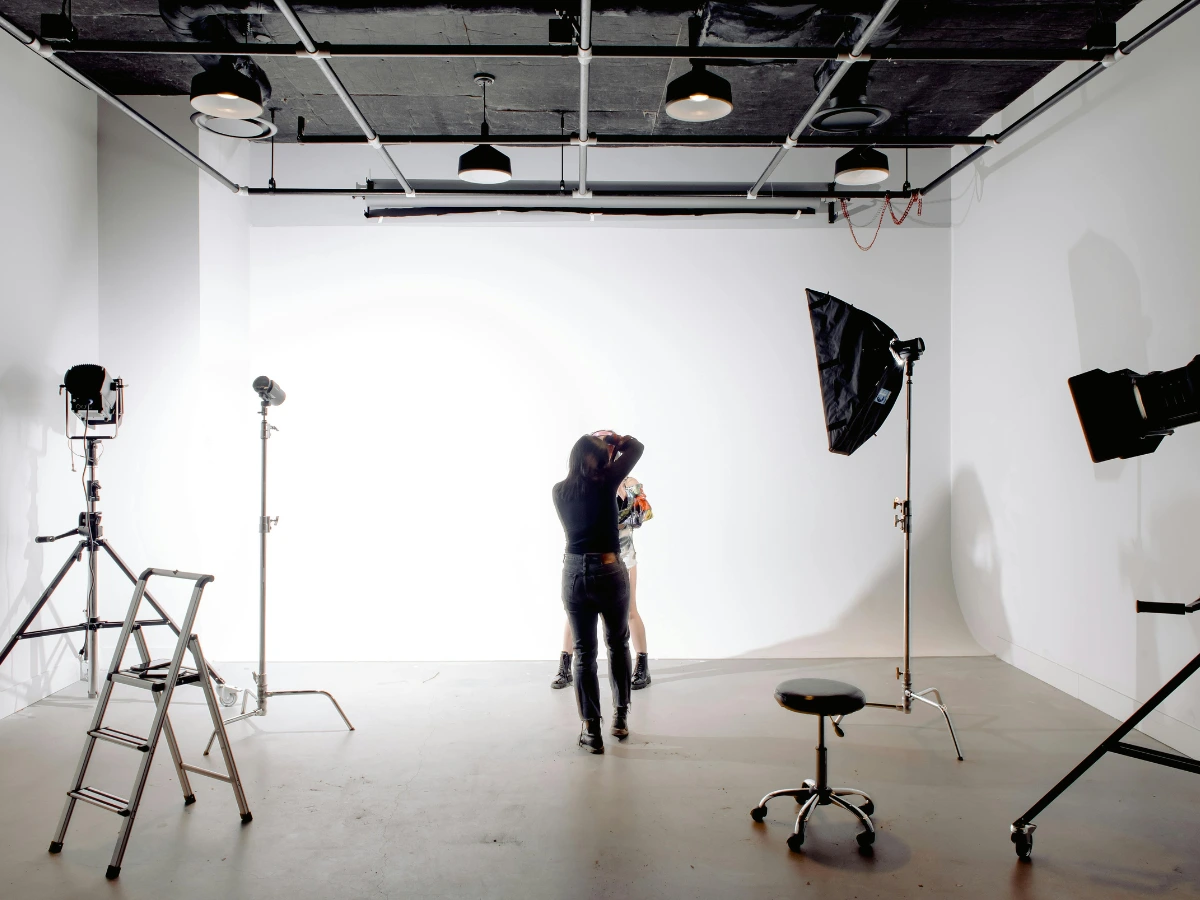
The average creator is well aware of how fickle social media platforms can be, as the definition of virality changes rapidly, sometimes even by the hour. As we step into the early months of 2026, photography trends have already shifted from where they were at the start of the year and will continue to do so as the year progresses. This is where a rental studio helps you keep up by giving you the freedom to use professional spaces and gear on demand.
But to put a rental studio set-up to good use and make sure your content consistently reaches its target audience, you must first understand what makes visual culture what it is and why some photos receive more attention than others. In this guide, we will be highlighting certain trends you, whether you are a beginner, a freelancer, or an influencer, can’t miss out on if you plan on maximizing your reach, while staying true to your element.
Insights: Creator-Focused Photography Trends for 2026
Social media photography trends in 2026 are driven by authenticity, platform-first composition, cinematic storytelling, and strategic use of technology. This year, creators are growing engagement by aligning content with platform-specific algorithms, leveraging AI to speed up production, and designing visuals that resonate with viewers’ demand for authenticity and immediate impact. This guide explains how photographers and brands can align with current photography trends, leverage professional studio environments, and create high-performing content that supports long-term growth. Investing in the right photo studio for rent and production strategy can significantly strengthen visual impact and brand authority.
Important Social Media Photography Trends for 2026
Candid Photography Is the Star of the Show
Audiences have shifted focus towards content that is natural and relatable, while actively rejecting staged perfection seen in carefully crafted images.
Why this Trend?
This trend feels open and unfiltered, like you’re seeing the brand as it truly is, not a rehearsed version of it. And in that honesty, customers can picture themselves using it, experiencing it, and living it.
How can a creator adapt?
The path to a smooth transition is to find a balance between capturing and curating content. To strike this balance, you need to hire professional photographers who understand how to create a sense of “unplanned” moments that look planned but still retain that crucial element of reality.
AI Editing Changes the Way We Do Post-Production
In recent years, photo editing has seen a rise in the integration of artificial intelligence to perform various tasks. That said, you still need to know where to draw the line when using it.
How can a creator adapt?
The best way to use AI in moderation is to use it to improve your own content instead of replacing your vision. A good example is how creators use AI for time-consuming work, like removing backgrounds, matching colors, or processing a lot of files at once. They still make creative decisions themselves.
Why this Trend?
This method lets you make more content without lowering the quality, which is important when platforms reward people who post on a regular basis.
Cinematic Photography Elevates Brand Storytelling
You must have noticed that recent digital photography trends for creators feature images that almost look like they were taken in movies. This is because creators use shallow depth of field, moody lighting, and planned color grading that closely resemble cinema professionally.
Why this Trend?
This trend works because it turns everyday things and events into visual stories with human-led narratives that are visually and emotionally appealing to audiences.
How can a creator adapt?
You too can create cinematic content with intentional lighting, thoughtful framing, and immersive sound to tell a story instead of just posting a clip. If you want to recreate such cinematic content, the best approach is to book a photo studio for rent that provides the right lighting, backdrops, and controlled environments to shoot in. This saves you from the headache of fixing flat lighting and awkward angles in post-production.
Competition In The Vertical Market Is Getting Tougher
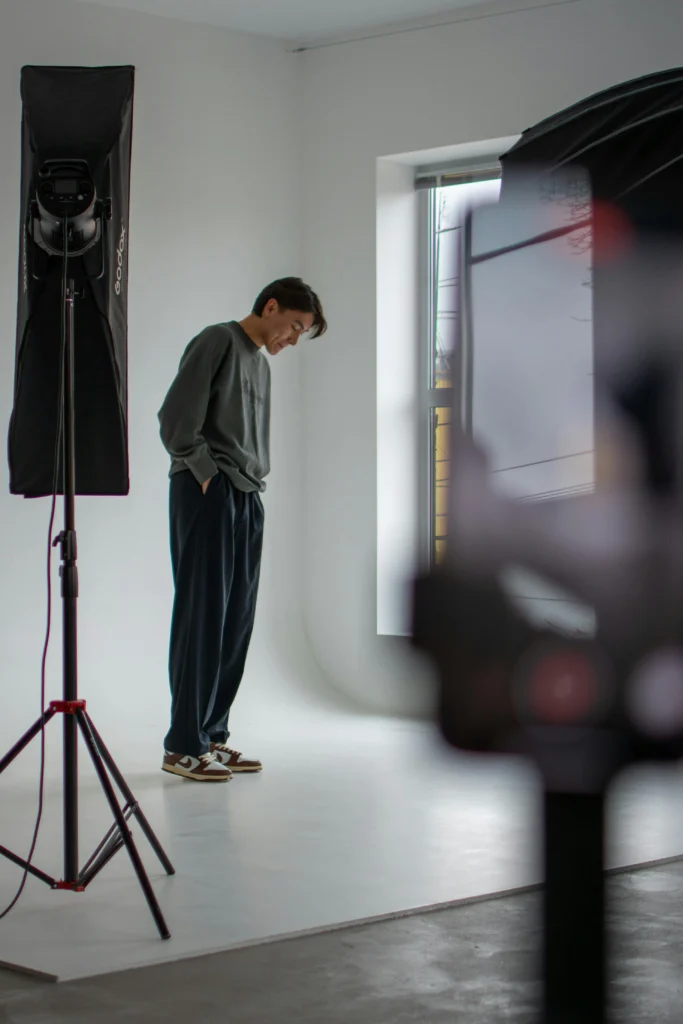
Instagram Reels, TikTok, YouTube Shorts, and Pinterest have all standardized on the 9:16 format, thus prioritizing portrait photography. This framing isn’t just about cutting your photos differently; it’s about thinking about where you put visual interest, and how things move across the taller canvas.
How can a creator adapt?
Successful creators know well enough to shoot the majority of their content vertically, and keep horizontal versions as extra content to post only from time to time.
Short-Form Content Needs To Make An Impact Right Away
We know that there has been a significant decrease in the attention span of people, with people only taking the first 3 seconds of any form of content into consideration while deciding whether it’s worth watching or not.
How can a creator adapt?
To counter this trend, successful creators use bold subjects, high contrast, and make it clear right away what they’re showing. This way, one can hook audiences in a quick span of time.
The Vintage Look Is Making A Return
Retro and neon colors are also making a huge comeback as a reaction to the dull and neutral colors that have dominated social media for the last couple of years.
Why this Trend?
Social media influencers are using the Miami Vice colors of the 1980s, the metallic colors of Y2K, and color blocking to add color to your feed. It has also been observed that brands that have adopted this aesthetic have started to receive a lot more engagement as well.
How can a creator adapt?
The only tricky part is pulling it off well, and if you do too much, it looks tacky, and if you do too little, it gets lost. This is where you must consider professional help from studios. Objectively, the best photo studio is one that has photographers who understand color theory and can help you strike the perfect balance between being bold and classy.
Using Drone Photography To Unlock Different Perspectives
Drone photography is becoming more accessible day by day for content creators, allowing them to capture aerial shots that were once only seen in big-budget cinema.
Why this Trend?
These shots help show how a product fits into bigger contexts, or bring forward patterns and relationships that ground-level shots miss. Creators often use them to make content in unique places and give familiar subjects new looks.
Conclusion
The 2026 visual landscape is all about intentionality. You don’t have to pick between raw authenticity and high-end production tools; you just have to know when to use each. Lean into those candid moments when they’re important, but don’t be afraid to use professional tools in a rental studio to take your story to the next level. At the end of the day, what matters most is that you, as a creator, are flexible and willing to master whatever trend comes your way so that you can build a digital presence that is both human and polished!
FAQs
Do you use the kind of professional equipment needed for these photography trends?
Yes, we invest in cutting-edge photography and videography equipment and technology to ensure your visuals are crisp, detailed, and effective for marketing purposes.
How often should creators post to keep up with platform algorithms in 2026?
Consistency beats frequency. Most platform algorithms in 2026 reward creators who post 3–5 times per week with high-quality, niche-relevant content over those who post daily with inconsistent quality. Using AI editing tools to speed up your post-production workflow makes it easier to sustain a consistent schedule without compromising visual standards.
What makes a photo look “cinematic” on social media?
Cinematic photos usually feature intentional lighting, a clear subject, shallow depth of field, and cohesive color grading that supports a specific mood or story. When combined with consistent framing and a sequence of related images or clips, they make everyday scenes feel like scenes from a film rather than random snapshots.
How does sustainability influence visual content?
Eco-conscious audiences favor brands that highlight sustainable practices in their imagery. Using minimal props, natural light, and mindful production choices can enhance brand credibility.
How often should brands post content based on these photography trends in 2026?
Brands seeing steady growth typically post 3–5 times per week and repurpose one professional shoot into multiple content assets to maintain consistency without sacrificing quality.