
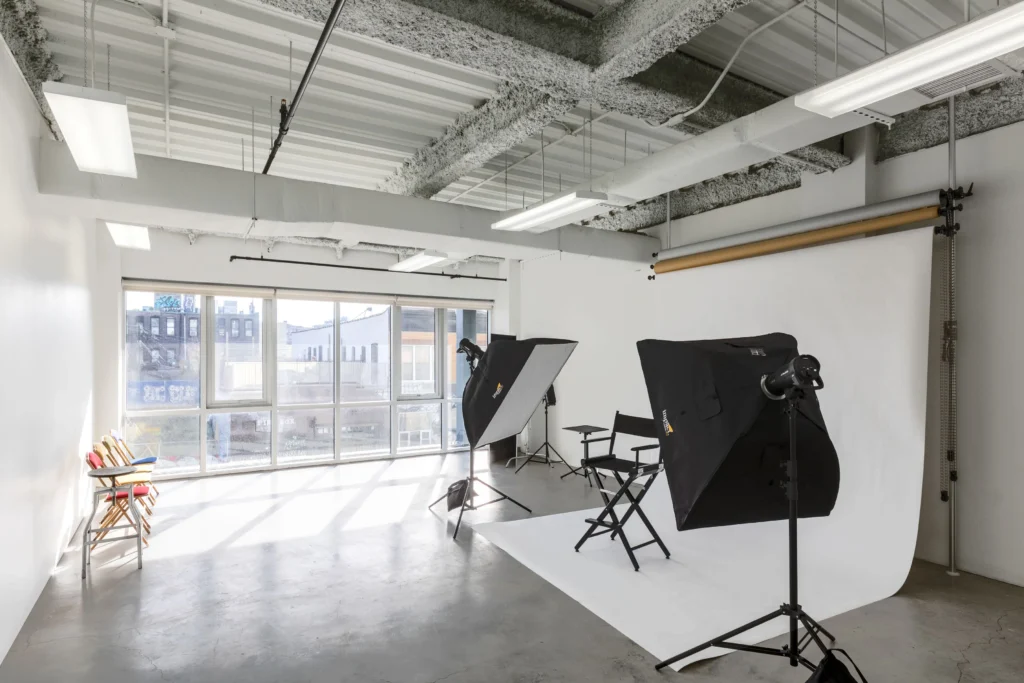
Casting teams don’t scroll through modeling portfolios looking for artistic concepts or dramatic styling; they look for clear, accurate images that show how a model actually photographs. A strong portfolio depends on professional presentation and accurate representation rather than visual flair. Achieving this requires attention to detail, and modeling portfolio photography plays a crucial role in capturing the right lighting, backdrops, wardrobe, makeup, and camera settings to create high-quality images. This guide provides a practical checklist and actionable tips to help models and photographers plan every detail of a portfolio session with ease.
Modeling Portfolio Photography Insights
Professional modeling portfolios rely on precise lighting, accurate poses, and consistent studio setups to highlight facial features, body proportions, and versatility. A structured photoshoot with proper wardrobe, camera settings, and background control ensures agency-ready images. Working with a professional photographer and a well-equipped studio helps produce polished, commercial-quality portfolio photos that meet casting and modeling standards.
Essential Photoshoot Checklist
Camera Body and Image Format
Professional portfolio images require high-resolution capture to retain facial detail, skin texture, and tonal accuracy. Full-frame cameras are commonly preferred because of their larger sensor size, which provides better dynamic range and low-noise performance. Shooting in RAW format is essential, as it preserves up to 14–15 stops of dynamic range compared to compressed JPEG files, allowing precise color correction and exposure control during post-processing.
Lens Selection and Focal Length Accuracy
Lenses used for professional modeling portfolios should minimize distortion and maintain realistic proportions. Prime lenses between 50mm and 85mm (on full-frame sensors) are industry standard for headshots and mid-length portraits, as they closely match the natural human perspective. Wider focal lengths can exaggerate facial features, while longer lenses may compress proportions, reducing versatility across agency submissions.
Lighting Output and Consistency
Studio strobes (300–600Ws) give enough power for a controlled professional photoshoot for a modeling portfolio and recycle quickly. Light modifiers such as softboxes or octaboxes measuring 90–120 cm help create soft shadow transitions and even skin tones. Color temperature should remain stable around 5,500K to match daylight standards.
Background Material and Light Control
Neutral backgrounds are preferred for a photoshoot for a modeling portfolio because they reduce visual distraction and simplify image evaluation. Seamless paper, muslin, or vinyl backdrops in white, grey, or off-white are commonly used. The background should be positioned at least 1.5 to 2 meters behind the subject to prevent harsh shadows and light spill, ensuring clean separation and consistent exposure.
Wardrobe, Makeup, and Hair Considerations
Wardrobe choices shape how body lines and proportions appear, with solid, matte fabrics and tailored fits allowing natural movement without distortion. Outfits should match the intended framing for headshots, three-quarter, or full-body shots. Portfolio makeup evens skin tone and reduces shine under studio lighting, while hair stays clean, controlled, and adjustable to highlight facial structure. Touch-ups every 15–20 minutes ensure a consistent, polished look throughout the shoot.
File Management and Data Security
Professional shoots require immediate data protection, which is an essential part of high-quality photography services. Dual memory card recording or tethered shooting systems reduce the risk of data loss. Files should be backed up during or immediately after the session using external drives. A structured file-naming system based on date, model name, and look improves workflow efficiency during post-production and client delivery.
Studio Setup Guide
Studio Size and Spatial Planning
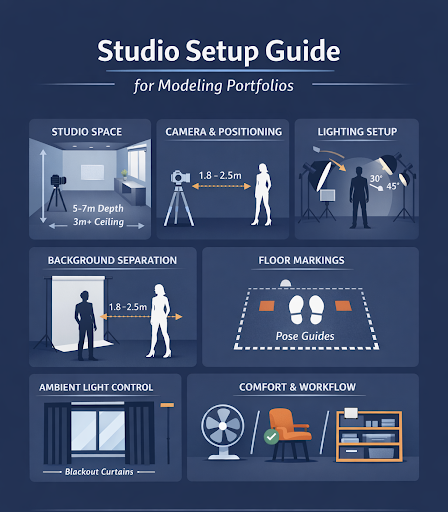
A professional photoshoot for a modeling portfolio requires enough depth for accurate perspective and free movement. A shooting depth of 5–7 meters supports natural framing with standard portrait focal lengths while preventing perspective compression. Width should allow lateral movement without interfering with light stands, and ceilings above 3 meters help accommodate overhead modifiers without contaminating background exposure.
Floor Marking and Pose Boundaries
Marking floor reference points helps maintain framing accuracy and light balance. Small shifts forward or backward can alter exposure and perspective, especially at wider apertures. Floor guides ensure pose variation happens within controlled spatial limits.
Subject-to-Background Distance
Physical separation between the model and backdrop directly affects shadow control and subject isolation. A distance of 1.8–2.5 meters reduces hard shadow edges and prevents light bounce from altering skin tone. This spacing also allows background exposure to be adjusted independently without impacting subject illumination.
Lighting Geometry and Angles
Lighting in a portfolio studio is based on repeatable geometry, not creative variation. The key light is positioned 30–45 degrees from the subject and elevated slightly above eye level to create natural facial definition. Secondary light sources are aligned symmetrically to maintain balance rather than introduce stylized contrast. Proper lighting setup is essential for producing consistent images suitable for both agency submissions and a commercial modeling portfolio, ensuring every frame meets professional standards.
Ambient Light Control
Uncontrolled ambient light introduces inconsistent color temperatures and contrast shifts. Studios should minimize window light or use blackout curtains. Overhead lights should be turned off or matched to the studio light temperature to prevent mixed lighting conditions.
If you are new to modeling, you can read our blog on a guide for non-professional models. It will give you simple tips on posing, wardrobe, and feeling confident during your photoshoot.
Conclusion
Modeling portfolio photography depends on structure, technical accuracy, and consistency across every image. A well-planned photoshoot for a modeling portfolio, supported by a professional studio setup, ensures the final images meet agency and commercial standards. At Grattan Studio, we support models at every stage by providing a fully equipped photography studio NYC, industry-standard lighting, and space designed specifically for portfolio work. Our photography services are built to help create polished, submission-ready images that align with agency expectations and commercial casting needs. If you have any questions or want to learn more about our services, fill out our contact form or Book Online your slot for the next project.
FAQs
What is the most crucial element of a professional modeling portfolio?
Clarity and accuracy are key. Agencies want well-lit, natural images showing facial features, body structure, and versatility without distractions. Consistency across poses and wardrobe is essential.
How many photos should I include in my portfolio?
Aim for 10–15 high-quality images, including headshots, three-quarter, and full-body shots. Focus on variety and purpose rather than quantity.
What are “digitals” or “Polaroids,” and do I still need them?
Digitals or Polaroids are simple, unretouched images showing your natural look and proportions. Yes, they are still needed as agencies use them to quickly assess your real appearance.
Should I hire a professional photographer for a model portfolio?
Yes. A professional photographer ensures proper lighting, composition, and pose guidance, producing high-quality, agency-ready images.
How can I ensure the best lighting for my professional photoshoot?
Use soft, diffused lighting at a 30–45° angle above eye level. Keep the subject separate from the background, or hire a professional to manage lighting ratios and consistency.